What to Love About Dining at a Small Pizza Restaurant


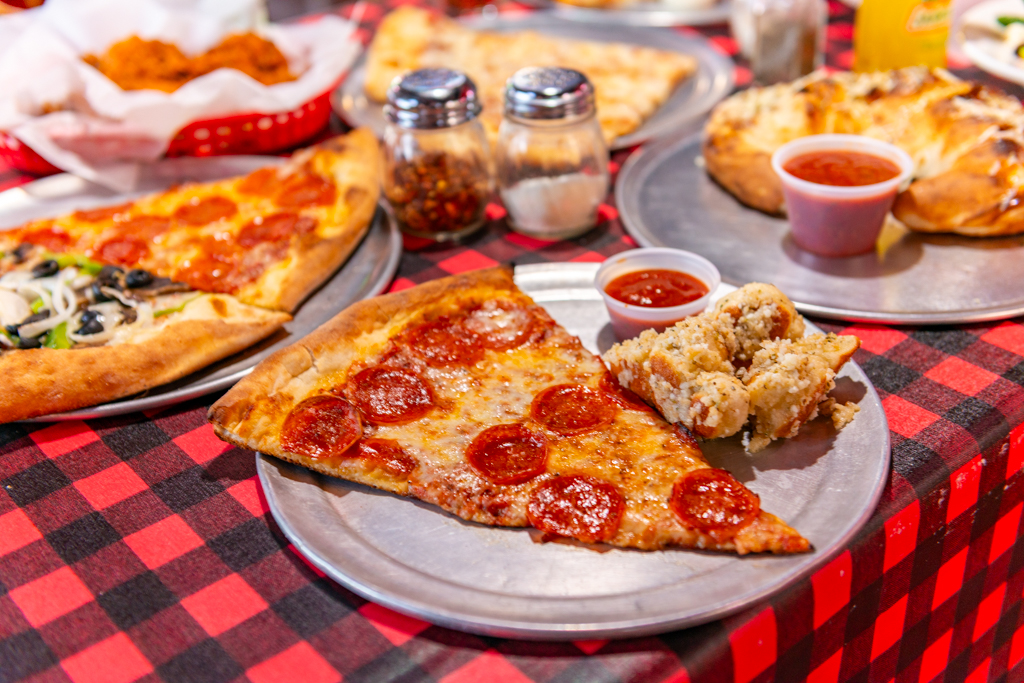
A small pizza restaurant offers something that larger dining chains rarely manage to hold onto for long, a sense of intimacy that changes the meal itself. The food matters, of course. Pizza lives or dies on dough, heat, timing, and restraint. But the experience around the pie matters almost as much. In a smaller place, the room has a pulse. You can hear the scrape of the peel against the oven deck, catch the scent of blistering crust as it comes out of the fire, and notice the owner greeting regulars by name without making it feel performative.
That closeness shapes expectations in a useful way. You are not walking into a giant operation designed to process as many tables as possible per hour. You are stepping into a place where the pace, the menu, and the service often reflect a more personal standard. When that standard is good, dining there feels less like a transaction and more like being let in on a local habit that people have been protecting for years.
The room feels human
One of the simplest pleasures of a small pizza restaurant is that it rarely tries too hard. You can tell a lot from a dining room with twelve tables, a counter stacked with takeout boxes, maybe a chalkboard special written in a hurried hand. The lighting is usually practical rather than theatrical. The decor may be modest. Chairs might not match perfectly. Yet those details often make the place feel settled and real.
Small dining rooms create a different kind of attention. Staff can actually see the room. They notice when a table is ready for another drink, when a child needs an extra plate, when someone is hesitating over the menu and could use a quick recommendation. Good service in a smaller setting is not always polished in the formal sense, but it is often more observant. That matters.
There is also less distance between the kitchen and the guest. In a tiny restaurant, the oven is usually part of the atmosphere. Sometimes it is the atmosphere. You smell the dough before you sit down. You hear the rhythm of orders being called. If the pizzaiolo opens the oven, the whole room gets a wave of heat. That sensory connection creates trust because the food is not hidden behind layers of scale and process. You can feel it being made.
The menu usually knows what it is
A common strength of a small pizza restaurant is restraint. Instead of fifty menu items trying to satisfy every possible craving, you often get a tighter selection that reflects what the kitchen actually does well. Maybe there are eight pizzas, a few salads, one baked pasta, and a dessert that appears only when someone had time to make it that afternoon. That narrower range can be a gift.
When a place does fewer things, it can do them with more consistency. Dough fermentation can be monitored with care. House mozzarella can be stretched in manageable batches. A marinara can taste bright because someone is tasting it through service, not because it came from a commissary recipe designed to be foolproof across three hundred locations.
This does not mean every small menu is automatically better. Limited choices can expose weaknesses too. If the dough is off, there is nowhere to hide. If the kitchen over-salts the sausage, you will notice it on several pies. But that is part of the appeal. A small menu makes the kitchen accountable. When the food is good, you know it was earned.
I have eaten in neighborhood pizza spots where the menu looked almost too simple to impress anyone. Then the first bite arrived and settled the argument. A margherita with leopard-spotted crust, balanced acidity, and just enough basil can say more than a menu packed with twelve novelty toppings. Simplicity, when handled by people who know their craft, feels generous rather than sparse.
Dough tells you almost everything
If you love pizza, you eventually start judging a restaurant by the crust before anything else. A small pizza restaurant often gets this right because dough receives real attention there. It is not just a base for toppings. It is the meal’s backbone, the part that carries the entire balance of texture and flavor.
Well-made dough has signs you can spot immediately. It should have structure without heaviness. The rim should hold air. The underside should show proper baking rather than pale softness or bitterness from burnt flour. Even the smell matters. Fermented dough with a clean, slightly wheaty aroma suggests patience. Flat, lifeless dough suggests speed.
Smaller operations often have an advantage here because they can adapt more quickly. Weather changes. Humidity shifts. Flour behaves differently from one shipment to the next. A careful pizza maker in a small kitchen notices these variables and adjusts hydration, proofing time, or oven management accordingly. Large systems are built for uniformity. Small systems can be built for judgment.
That judgment shows up in the eating. A crust that stays crisp for the first several minutes, folds without cracking, and still tastes good after it cools a little is the work of someone paying attention. People often focus on toppings because they are visible and easy to describe. In practice, the difference between an average and memorable pizza restaurant is usually in the dough.
Toppings taste more intentional
Small restaurants tend to treat toppings less like a pile-on and more like a composition. That does not mean every pie is minimal. It means the choices usually feel considered. A good pizza needs proportion more than abundance. Too much cheese drowns the crust. Too much sauce leaves the center soggy. Too many toppings create steam and weight. A smaller kitchen that knows its oven often understands this better than larger operations trying to satisfy demand for excess.
You can see it in the details. Mushrooms may be pre-roasted so they do not flood the pie. Pepperoni may be sliced to a thickness that lets the edges curl without turning leathery. Fresh mozzarella may be drained properly. Hot honey, if used, might be applied after baking so it brightens rather than burns. These are not flashy techniques. They are marks of craft.
A small pizza restaurant is also more likely to feature ingredients with a local logic. Maybe the sausage comes from a butcher down the street. Maybe the seasonal special uses sweet corn in late summer or roasted squash in autumn. Those decisions make the food feel rooted in a place rather than assembled from a national trend cycle.
There is a trade-off here too. Smaller restaurants can run out of certain items, especially on busy weekends. That frustrates some diners. I tend to see it as evidence that the kitchen is working with real constraints instead of pretending not to have any. If a place makes a finite batch of meatballs and sells through it by 8 p.m., I would rather hear that than receive one reheated beyond recognition.
Service can feel like actual hospitality
Hospitality is often confused with scripts. Many restaurants train staff to say the same phrases in the same tone at the same points in the meal. It can be efficient, but it rarely feels warm. At a small pizza restaurant, service is more likely to come from people who know the menu through repetition and know the neighborhood through experience.
That changes the recommendations. Instead of reciting the most expensive add-ons, a server might tell you the white pie is better tonight because the mushrooms came in especially fresh. If you ask whether two pizzas will feed four adults, the answer is often honest. If the kitchen is backed up, someone may simply tell you, and that honesty buys patience more effectively than vague reassurance.
There is also a practical side to this intimacy. Families with young children often do better in smaller pizza spots because the meal arrives in familiar stages and the atmosphere can absorb a little noise. Solo diners also do well there, especially at the counter or a two-top near the oven. A good small restaurant knows how to leave people alone without making them feel invisible.
Some of the best service I have seen has happened in cramped dining rooms where nobody had time for theatrics. Water glasses got filled because someone noticed. A pie was re-fired because the bottom charred too dark. A guest with a gluten sensitivity got a clear explanation of what the kitchen could and could not safely do. That kind of clarity is not glamorous, but it builds loyalty.
Regulars change the energy of a place
A small pizza restaurant often has a core group of regular customers, and that shapes the experience for everyone else. Regulars are not just there because the food is decent and close by. They return because the restaurant has become part of their routines. That may sound ordinary, but it says a lot. People protect the places that feed them well and treat them fairly.
You can sense it when you walk in. The host recognizes a couple who always split a salad before ordering the same pie. Someone at the bar asks for the usual lager without looking at the list. A family comes in on a Tuesday because Tuesday is pizza night, and everyone in the room seems to understand this is a ritual worth keeping.
For a first-time guest, that energy can be reassuring. A room full of return customers is a better signal than almost any online review. It suggests consistency. It suggests the place has survived not by novelty but by trust. There is a difference between a restaurant that people are curious about once and a restaurant that people want to fold into their lives.
Of course, some small places let familiarity harden into cliquishness. New guests should not feel like outsiders in a private club. The best pizza restaurants avoid that trap. They treat regulars with affection while keeping the door open. That balance is harder than it sounds, and when a place gets it right, the room feels welcoming rather than exclusive.
You notice the craft because nothing is hidden
Large restaurants often rely on scale to smooth out weak points. Decor distracts. Menu sprawl covers mistakes. Promotions create urgency. A small pizza restaurant has fewer places to hide. If the dough is underproofed, you will know. If the oven runs too cool, you will taste it. If the sauce is flat, no amount of trendy branding will save the pie.
Strangely, that vulnerability is part of the pleasure. It sharpens your appreciation when a place gets the fundamentals right. Good small restaurants tend to win loyalty through repetition of basic excellence, a reliable crust, balanced seasoning, thoughtful pacing, fair portions, and a room people enjoy spending time in.
This transparency also creates opportunities for conversation. Ask about the flour and you may get a real answer. Ask why one pizza takes a minute longer and someone might explain how moisture affects the bake. Not every diner wants that level of detail, nor should they need it, but it is available in a way that often feels absent in bigger establishments.
For people who care about food, this matters. Dining becomes more interesting when you can see the link between method and result. A small restaurant reminds you that pizza is not casual because it is simple. It is demanding because it is simple.
The meal can be surprisingly affordable
Pizza has always occupied an appealing middle ground between comfort and occasion. At a small pizza restaurant, that balance often holds. You can walk in for a relatively affordable dinner and still feel like you treated yourself. For a lot of diners, especially families or groups of friends, that matters.
Value at a small restaurant is not just about the menu price. It includes portion logic, ingredient quality, and how satisfying the meal feels relative to the cost. A properly made 12-inch or 14-inch pie with good flour, well-seasoned sauce, and careful toppings may cost more than a discount chain pizza, but it often feeds people better and wastes less. You finish the meal full without feeling dulled by excess grease, sugar, and salt.
Here is where small places often shine:
- They keep overhead more focused, which can help preserve quality without inflating every price.
- They can build menus around a few strong items instead of carrying the cost of broad inventory.
- They often offer flexible ordering, so a table can share pies, salads, or starters without overcommitting.
- They deliver an experience that feels special enough for a night out, while staying casual enough for a weekday meal.
- They make it easier to judge what you are paying for, because the food and service are right in front of you.
That said, not every small restaurant is cheap, nor should it be expected to be. Rising flour, dairy, labor, and rent costs hit independent operators hard. A well-priced meal is not the same as a bargain-basement meal. Most guests understand that when they taste the difference.
It works for many kinds of occasions
A good pizza restaurant has range. It can hold a quick solo dinner, a low-stakes first date, a birthday meal for a teenager, a catch-up night with friends, or a family outing where one person wants olives, another wants plain cheese, and a third claims to be hungry enough for an entire pie alone. Small restaurants manage these shifts well because pizza itself is flexible and communal.
That flexibility also reduces the pressure diners often feel in more formal settings. Sharing pizza gives people something easy to do with their hands and attention. The food arrives in a way that encourages conversation rather than ceremony. You do not need deep menu fluency to order successfully, yet there is still plenty to appreciate if you care about technique.
Even business meals can work in the right setting. I would not bring a high-stakes client meeting to the loudest, busiest slice shop in town. But a calm neighborhood pizza restaurant with attentive service and a concise wine or beer list can be an excellent choice for a relaxed lunch or informal evening meeting. The atmosphere softens edges without sacrificing professionalism.
The imperfections are often part of the charm
People who spend time in small restaurants learn to distinguish between flaws that signal neglect and quirks that signal character. A slight wait at peak hour can be acceptable if the pies are coming out one by one from a small oven and each one arrives hot and right. A handwritten sign for a sold-out special is not a problem. A server who says, honestly, that the kitchen is a little backed up tonight may be giving you better service than someone pretending everything is on schedule.
The same generosity should not excuse real problems. Cold pizza, careless sanitation, indifferent service, and poor ingredient handling are not charming. But minor rough edges can be a sign that a restaurant is prioritizing the right things. Sometimes the room is a little louder than ideal because everyone is enjoying themselves. Sometimes the pacing slows because one cook is finishing six pizzas in a narrow line. Those realities come with the territory.
The best small pizza restaurants understand how to manage expectations without sanding away personality. They remain attentive, clean, and organized while still feeling alive. That balance is difficult. When you find it, you remember the place.
What diners tend to appreciate most
When people talk about their favorite small pizza spots, they usually return to the same set of pleasures, even if they describe them in different words:
- The smell of dough and cheese hitting a hot oven the moment they walk in.
- The sense that the staff actually notices who is in the room.
- A menu short enough to trust and strong enough to revisit.
- Pizza with a crust worth eating all the way to the edge.
- The feeling of being in a place that belongs to its neighborhood.
Those pleasures are not dramatic, but they are durable. Restaurants earn affection through repeatable moments like these, not through spectacle alone.
Why people keep coming back
Loyalty to a small pizza restaurant is rarely based on a single great meal. It grows through accumulation. One reliable lunch turns into a standing Friday dinner. A family discovers the kid likes the plain pie and the adults like the fennel sausage. A couple learns they can arrive at 6:15, split a salad, order one red pie and one white, and be home before the babysitter’s meter starts to sting. Habits form around places that make life easier and better at the same time.
That may be the deepest thing to love about dining at a small pizza restaurant. It fits into real life while still offering pleasure. It can be celebratory without fuss, affordable without feeling cheap, familiar without becoming dull. The best ones do not just feed people. They anchor neighborhoods, absorb routines, and give a city or town some of its texture.
When the dough is well made, the toppings are in balance, the room is warm, and the staff cares, the whole experience feels larger than its footprint. That is the quiet power of a good pizza restaurant. It does not need to overwhelm you. It just needs to be good enough, often enough, https://andrevpsj349.fairmontdigest.com/posts/how-a-pizza-restaurant-creates-signature-recipes-customers-love that you start thinking of it as your place.
RUFFRANO'S HELL'S KITCHEN PIZZA Security
385 Main St, Colorado Springs, CO 80911
(719) 390-4355
FAQ About pizza restaurant
Is there a Hell's Kitchen pizza restaurant in Security-Widefield?
Yes. Ruffrano's Hell's Kitchen Pizza has a Security-Widefield location at 385 Main St.
Where can I find pizza delivery in Security-Widefield?
Ruffrano's Security location offers online ordering. Enter your address at checkout to check delivery availability and fees.
Where can I find gluten-free pizza in Security-Widefield?
Ruffrano's menu lists a 12-inch gluten-free option. Call the Security location to confirm availability and ask about shared equipment if cross-contact is a concern.